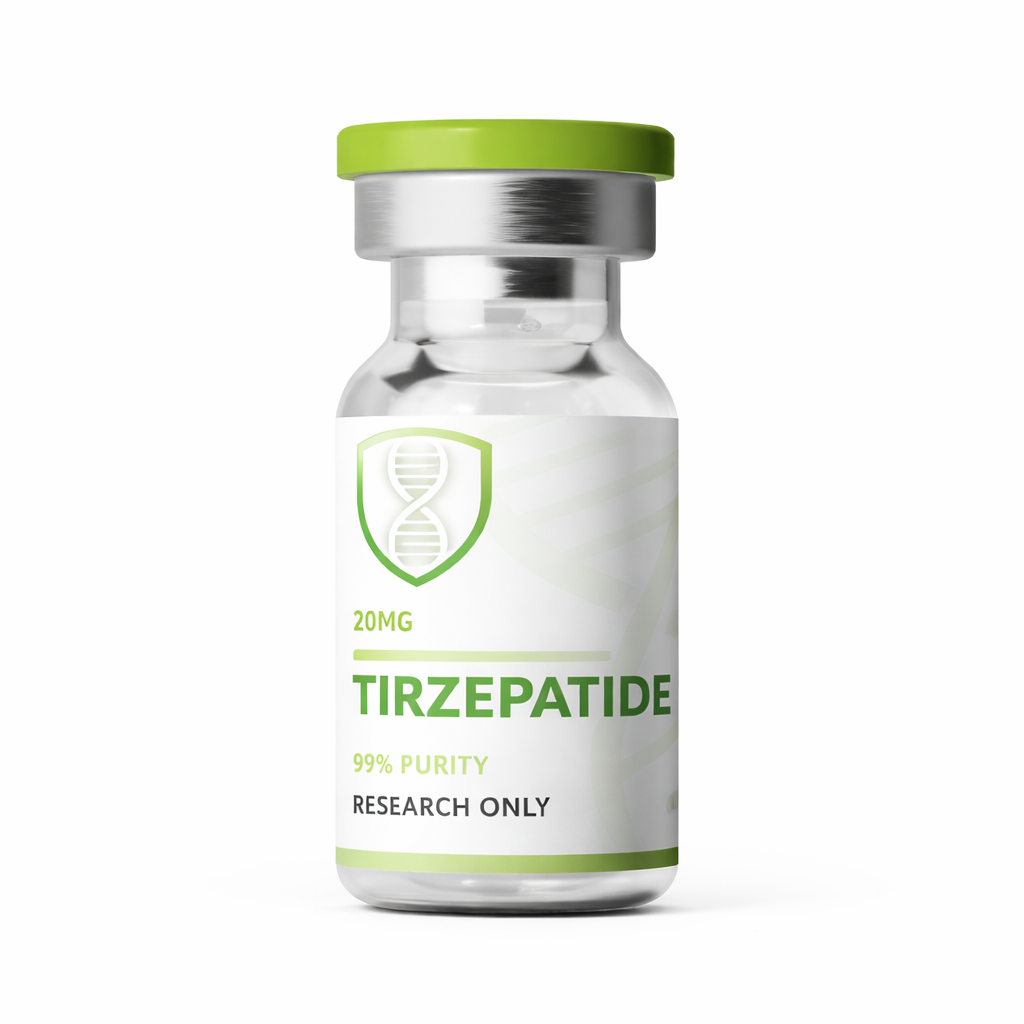
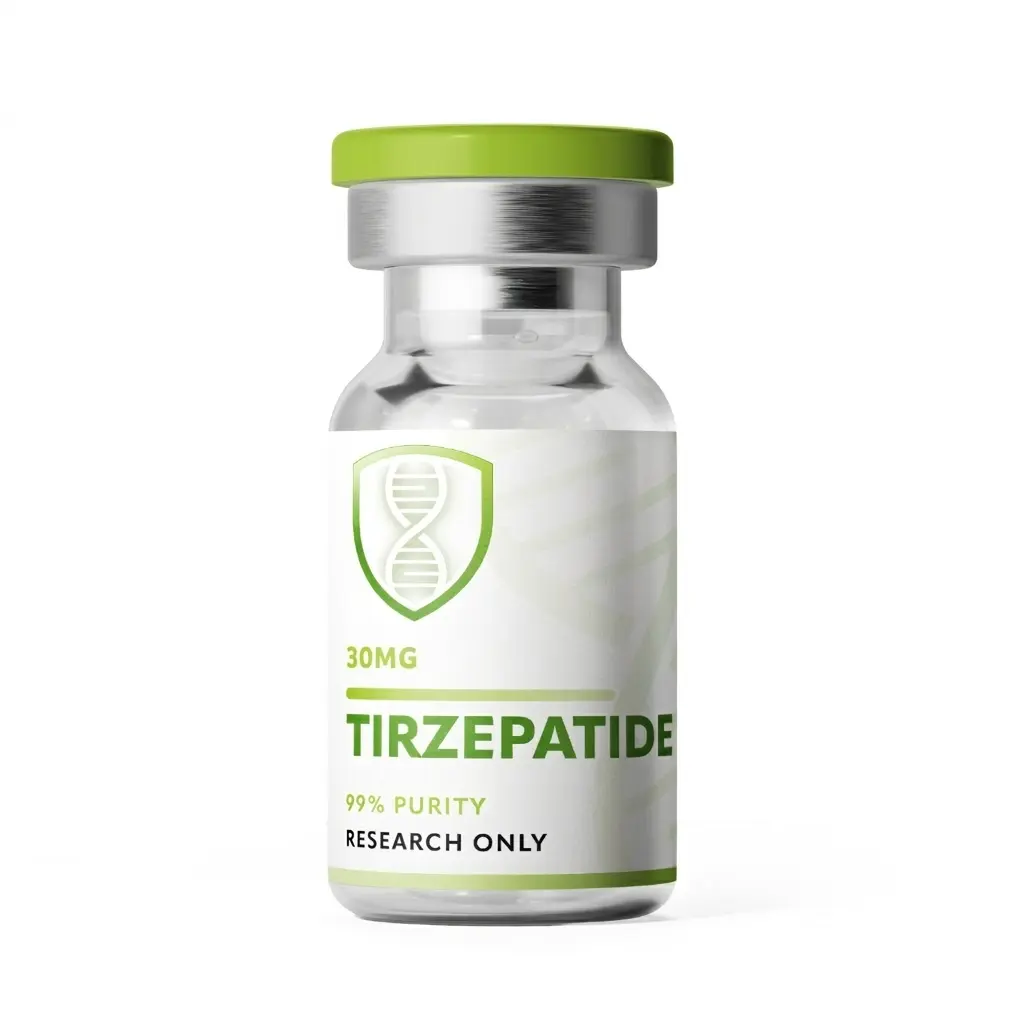
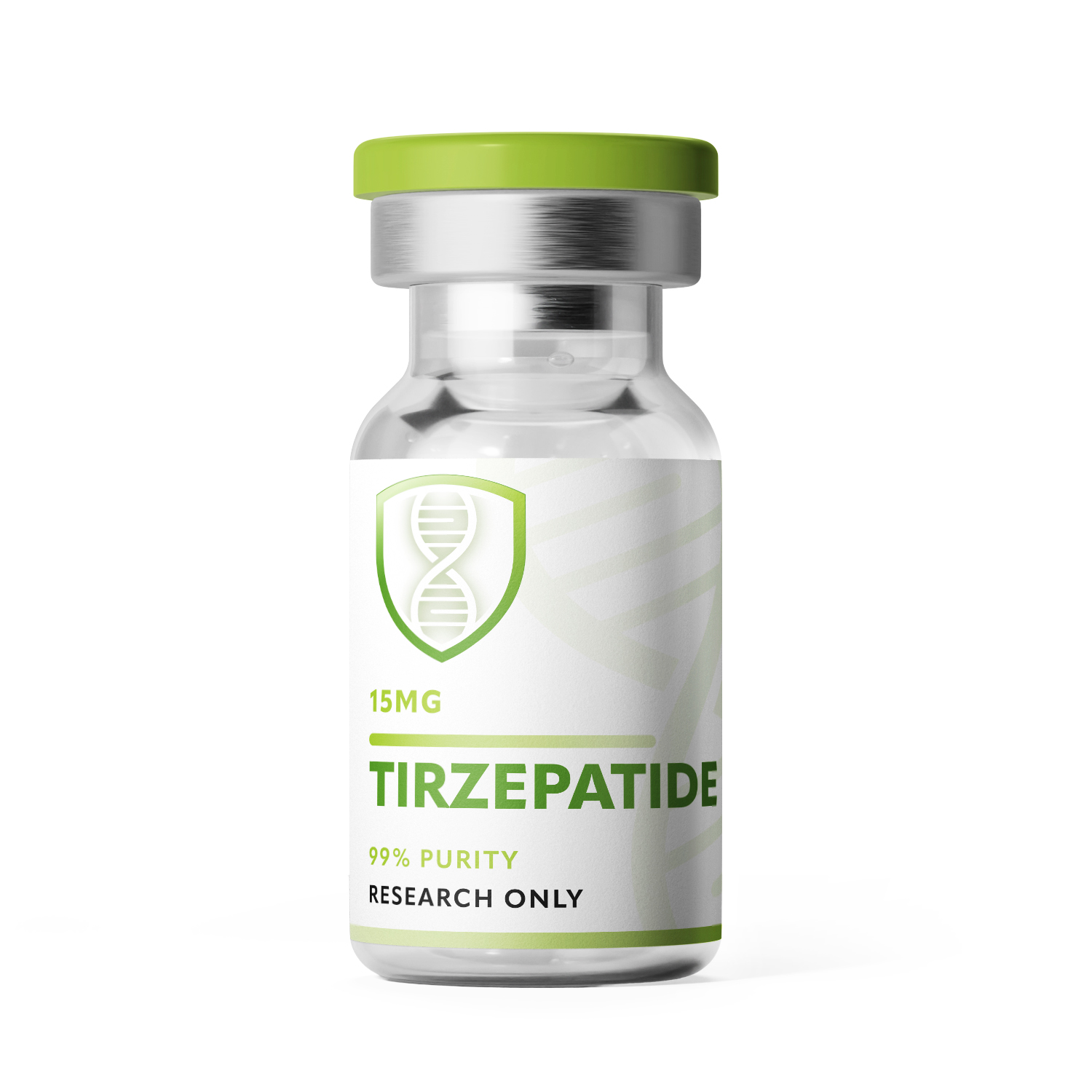
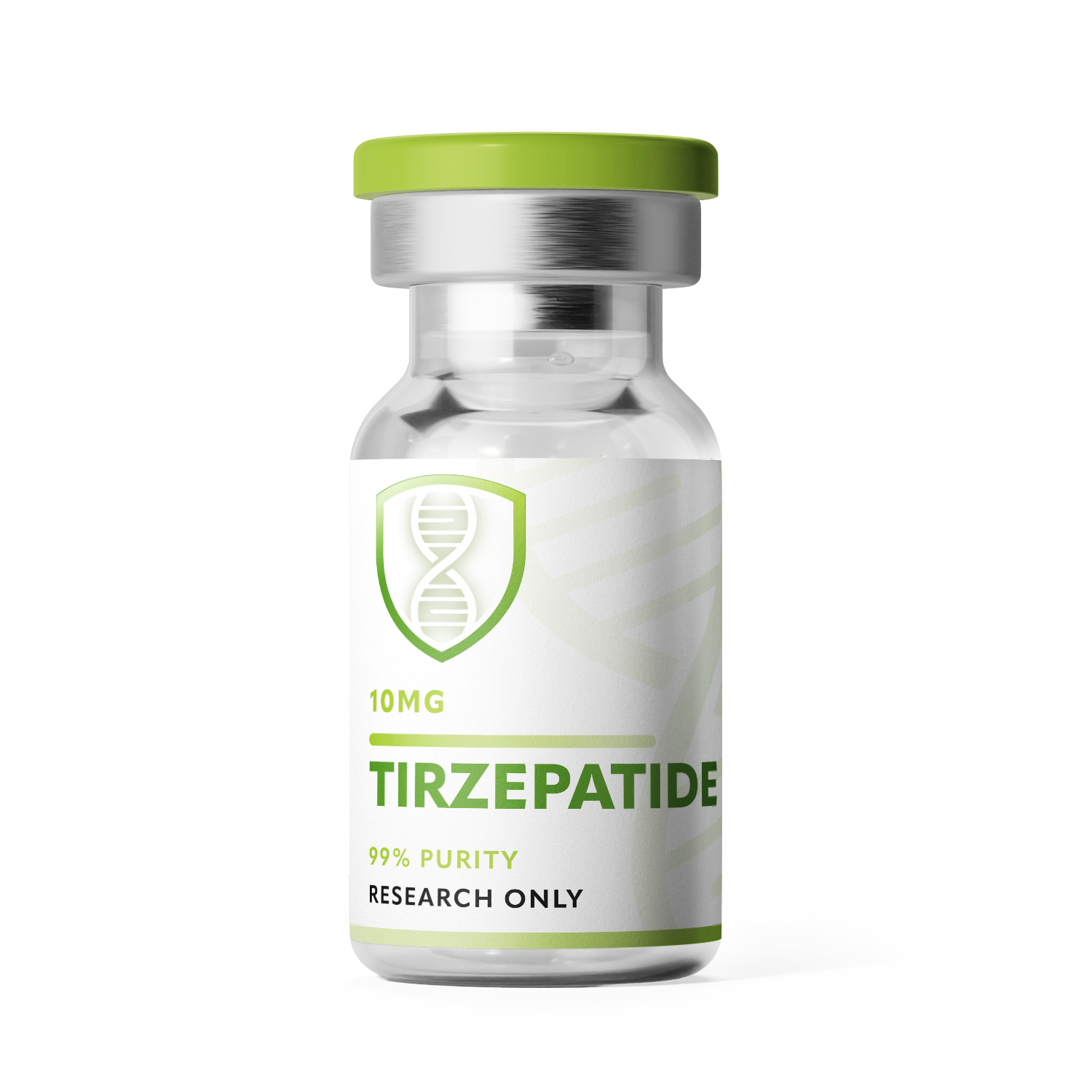
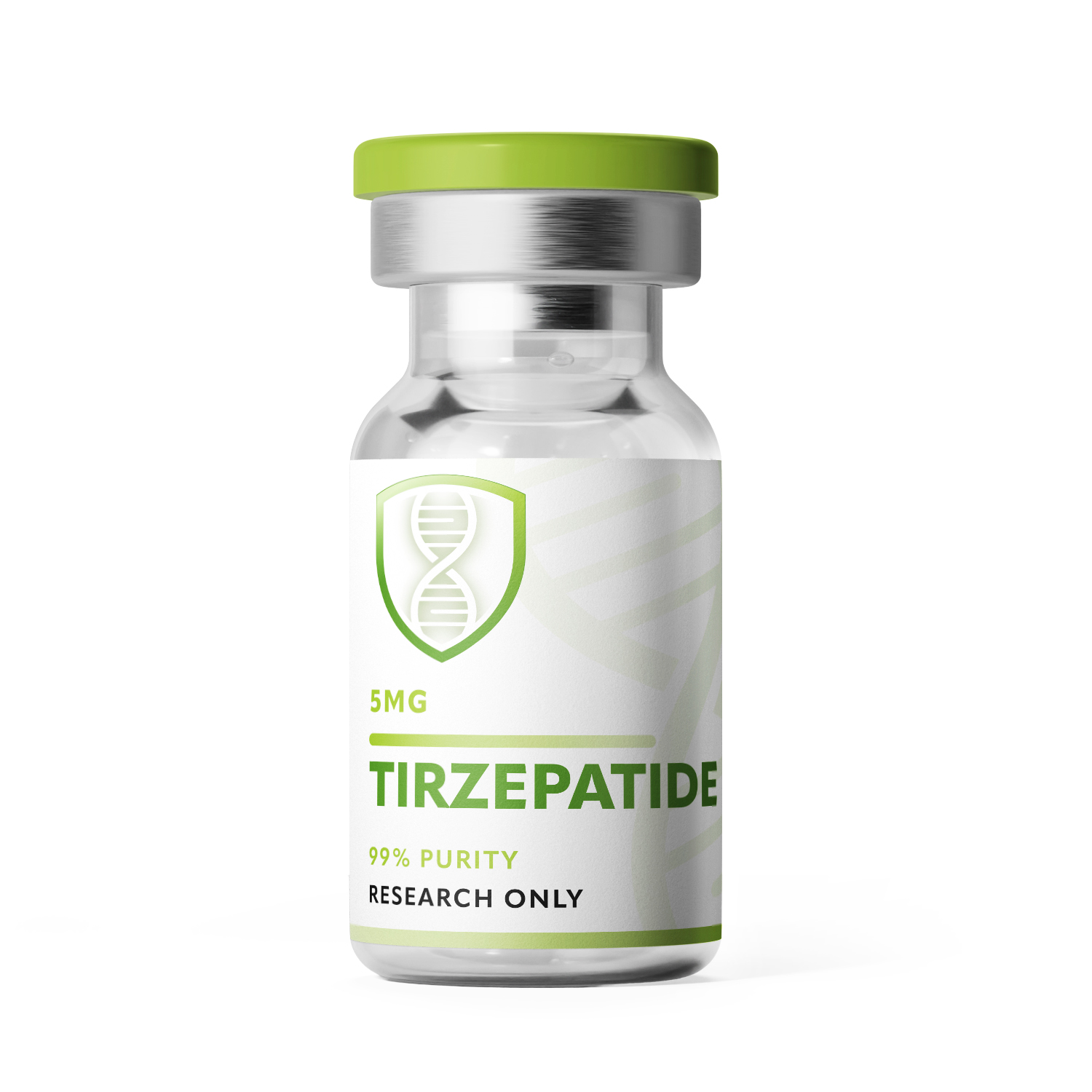
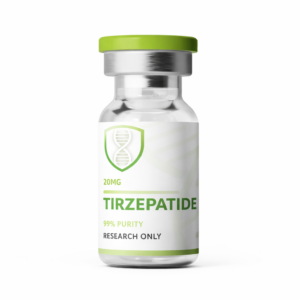
Tirzepatide 20mg | 99% Purity (Made in USA) | Research Peptide
Tirzepatide (TR) is an investigational synthetic dual-agonist peptide that activates the GIP and GLP-1 receptors. It is a linear 39-amino-acid peptide that has been designed to contain a C20 fatty diacid chain via γ-glutamic acid spacer for prolonged circulating half-life and once-weekly pharmacokinetics.
Tirzepatide has been investigated through in vitro lab research and observed challenges, including insulin secretion, blood glucose homeostasis, appetite regulation, body weight loss, triglyceride metabolism, and gastrointestinal motility. US-manufactured and supplies as high-purity lyophilized powder (≥99% via HPLC) in 20mg vials. Tirzepatide is for laboratory research use only in vitro and in vivo — it is not to be administered to humans, or used therapeutically or for any non-research purpose.
For research use only. Strictly not for human consumption.
Tirzepatide Mechanism of Action in Research
Tirzepatide has a high affinity for and activates both GIP and GLP-1 receptors (family II G-protein-coupled receptors), stimulating G_s-protein signaling pathways and increasing intracellular cyclic AMP (cAMP) levels in target cells. Such dual agonism confers synergistic actions:
-
When activated, the GLP-1 receptor has anti-obesity effects through signalling in the central nervous system to suppress appetite, delay gastric emptying, and promote glucose-dependent insulin secretion while also repressing glucagon release when hyperglycaemic.
-
GIPR activation stimulates insulin secretion, enhances beta-cell functional reserve and regulates adipocyte lipid metabolism.
They describe a C20 fatty acid modification that allows for albumin binding, resulting in an extended plasma half-life of approximately 5 days and support for continued receptor activation in experimental models. These pathways are explored extensively in studies of metabolism regulation, energy balance, insulin sensitivity, and obesity-associated pathophysiology.
Tirzepatide Peptide Sequence
Tirzepatide is a 39-amino acid linear peptide, C-terminal amidated and lipidated:
Tyr-Ala-Glu-Gly-Thr-Phe-Thr-Ser-Asp-Tyr-Ser-Ile-Ala-Leu-Asp-Lys-Ile-Ala-Gln-Lys-Ala-Phe-Val-Gln-Trp-Leu-Ile-Ala-Gly-Gly-Pro-Ser-Ser-Gly-Ala-Pro-Pro-Pro-Ser-NH₂
(C20 diacid connected via γ-Glu linker at Lys²⁰)
Molecular formula:
C₂₂₅H₃₄₈N₄₈O₆₈ (approximate; lipidated)
Molecular weight:
≈4813 Da
CAS Number:
2023788-19-2
The lipid chain and requisite amino acid substitutions increase pharmacokinetic stabilities and receptor specificities.
Tirzepatide Research
1. Glucose Homeostasis and Insulin Secretion
Tirzepatide (0.1–10 nmol/kg s.c.) enhances glycemic control in preclinical models by increasing glucose-dependent insulin secretion and decreasing glucagon during hyperglycemia. In rodent studies, reductions in HbA1c-equivalent markers and fasting glucose can be stronger than those of GLP-1-only agonists, depending on the measures used.
2. Body Weight and Appetite Regulation
Dosage-dependent weight loss (up to 20–30% body weight change compared to placebo at higher doses, sustained over 12 weeks) in obese animal studies has been shown with tirzepatide. It inhibits feeding through GLP-1 and GIP receptor stimulation within the central nervous system, resulting in reduced meal size and frequency. Preferred fat mass loss with preservation of lean tissue is associated with greater energy expenditure and higher rates of lipid oxidation, according to the evidence.
3. Lipid Metabolism and Cardiovascular Parameters
In the high-fat diet model, Tirzepatide significantly decreases levels of circulating triglycerides, LDL cholesterol, and free fatty acids but improves the HDL profile. It attenuates liver steatosis and enhances insulin sensitivity in both liver and adipose tissue. There are positive effects in cardiovascular studies on blood pressure, endothelial function and atherosclerosis markers in preclinical atherosclerosis models.
4. Neuroprotective and Anti-Inflammatory Effects
Tirzepatide has been shown to have neuroprotective effects in neuronal cultures and animal models of neurodegeneration. It exerts anti-inflammatory effects by suppressing microglial activation and proinflammatory cytokine release. Research investigates its role in Alzheimer’s, Parkinson’s, and stroke models through GLP-1/GIP-driven anti-apoptotic and neurotrophic signaling.
Tirzepatide is investigational — there is yet to be any large-scale, human approvable indication outside obesity/diabetes. Current investigations into the dual-agonist modes of action in metabolic homeostasis, energy balance, neuroprotection, and inflammation resolution are ongoing.
Tirzepatide Storage and Handling Instructions
Unopened vials are stored at room temperature at 2–8°C and protected from light and moisture. Do not freeze. Resuspend by aseptic addition of bacteriostatic water or sterile diluent. Refrigerate reconstituted solutions. Use within the stability window of the protocol (usually 4–6 weeks at 2–8°C). Avoid repeated freeze-thaw cycles. Every time, use sterile technique, gloves, and proper PPE.
Important Disclaimer
Tirzepatide is an experimental research peptide. For in vitro or in vivo laboratory studies only. Not approved for therapeutic, metabolic, weight management, or any other human medical use by the FDA, EMA or any authority except as part of certain clinical trials. Information is based on data up until October 2023. Preclinical data do not correlate with human outcomes. No claims are made about safety, efficacy, or benefits in humans. Potential risks include immunogenicity or impurities. Only in qualified research facilities with institutional oversight. For laboratory use only — not for human or veterinary consumption.
Referenced Citations
- Jastreboff AM, et al. (2022). Tirzepatide once weekly for the treatment of obesity. New England Journal of Medicine.
- Frías JP, et al. (2021). Tirzepatide versus semaglutide once weekly in patients with type 2 diabetes. New England Journal of Medicine.
- Heise T, et al. (2023). Effects of tirzepatide on body weight and glycemic control in patients with type 2 diabetes. Diabetes Care.
- Dahl D, et al. (2022). Tirzepatide reduces appetite, energy intake, and fat mass in people with type 2 diabetes. Diabetes Care.